Exhibition details​

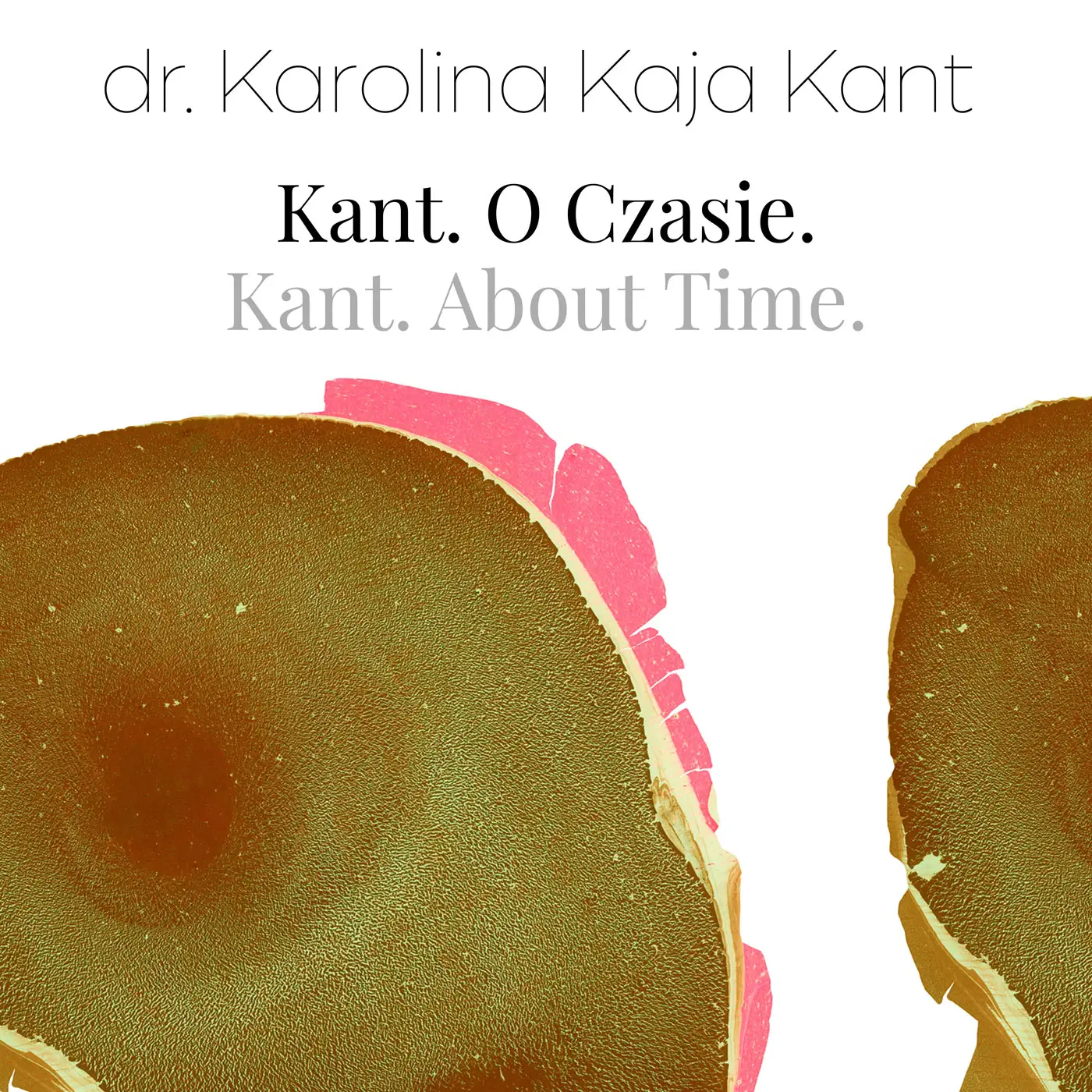
Kant. O Czasie.

Kant. About Time.

Location: 
Zamek Golubski
ul. PTTK 13, 87-400
Golub-Dobrzyń

An opportunity to witness one of Kaja’s latest works.

Exhibition opening
23.02.2026 @ 5.30 pm

Exhibition opening time
23.02.2026 – 30.05.2026

Location: 
Zamek Golubski
ul. PTTK 13, 87-400
Golub-Dobrzyń

An opportunity to witness one of Kaja’s latest works.

The Experience

Multimedia presentation​

A 5-minute animated film with music.

Experience Kant. About Time as a short audiovisual journey: a curated sequence of vertical artworks composed into an animation, accompanied by an original musical atmosphere.

This online version presents the exhibition as a single, continuous narrative—designed to be watched in full, from beginning to end.

Presentacja multimedialna

5-minutowa animacja z muzyką.

Kant. O czasie jako krótka podróż audiowizualna: kuratorsko ułożony ciąg prac, zmontowany w animację i wzbogacony muzyczną oprawą.

Wersja online przedstawia wystawę jako jedną, spójną narrację — zaprojektowaną do oglądania w całości, od początku do końca.

A Glimpse into the Exhibition

About the Exhibition

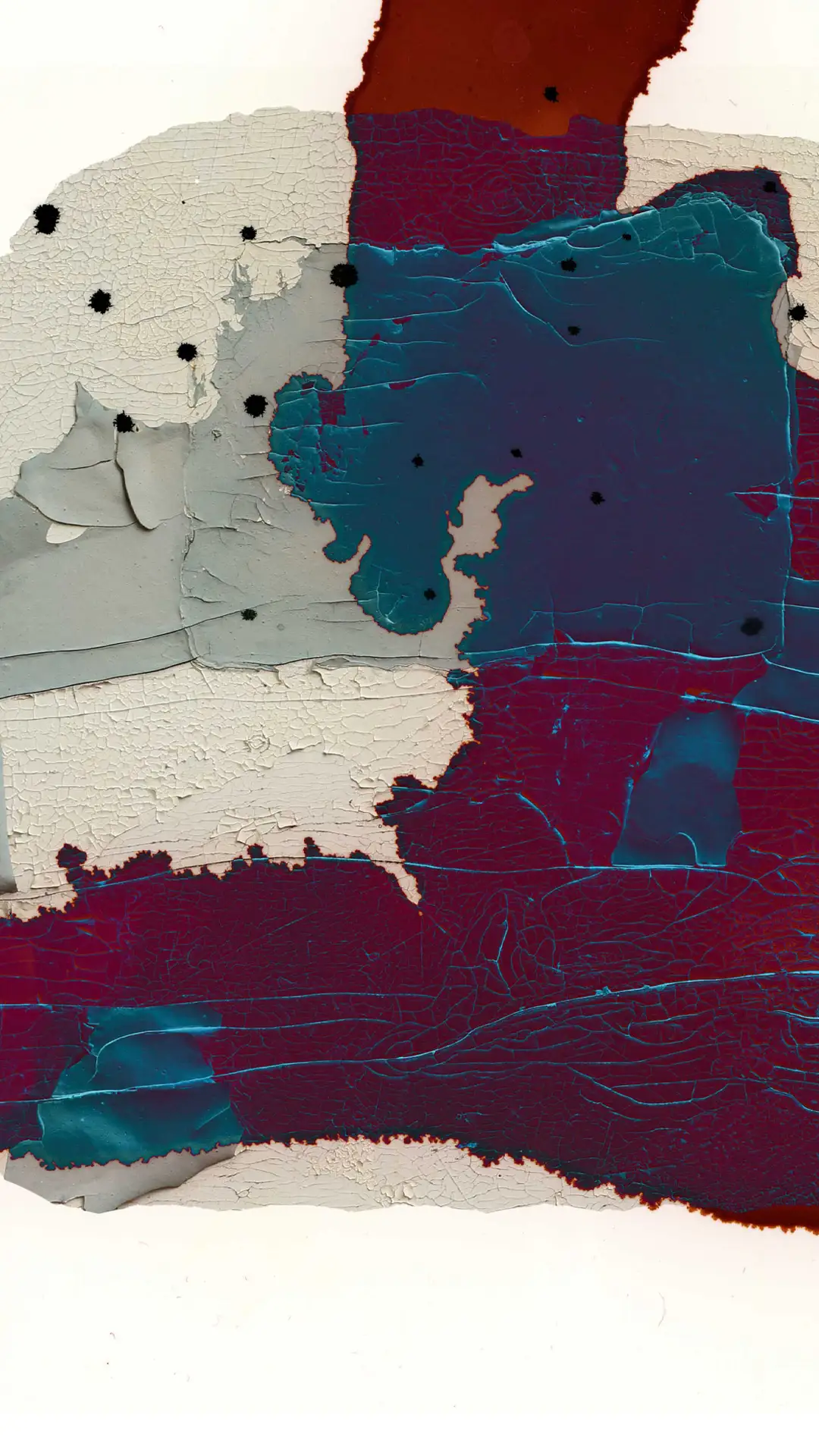
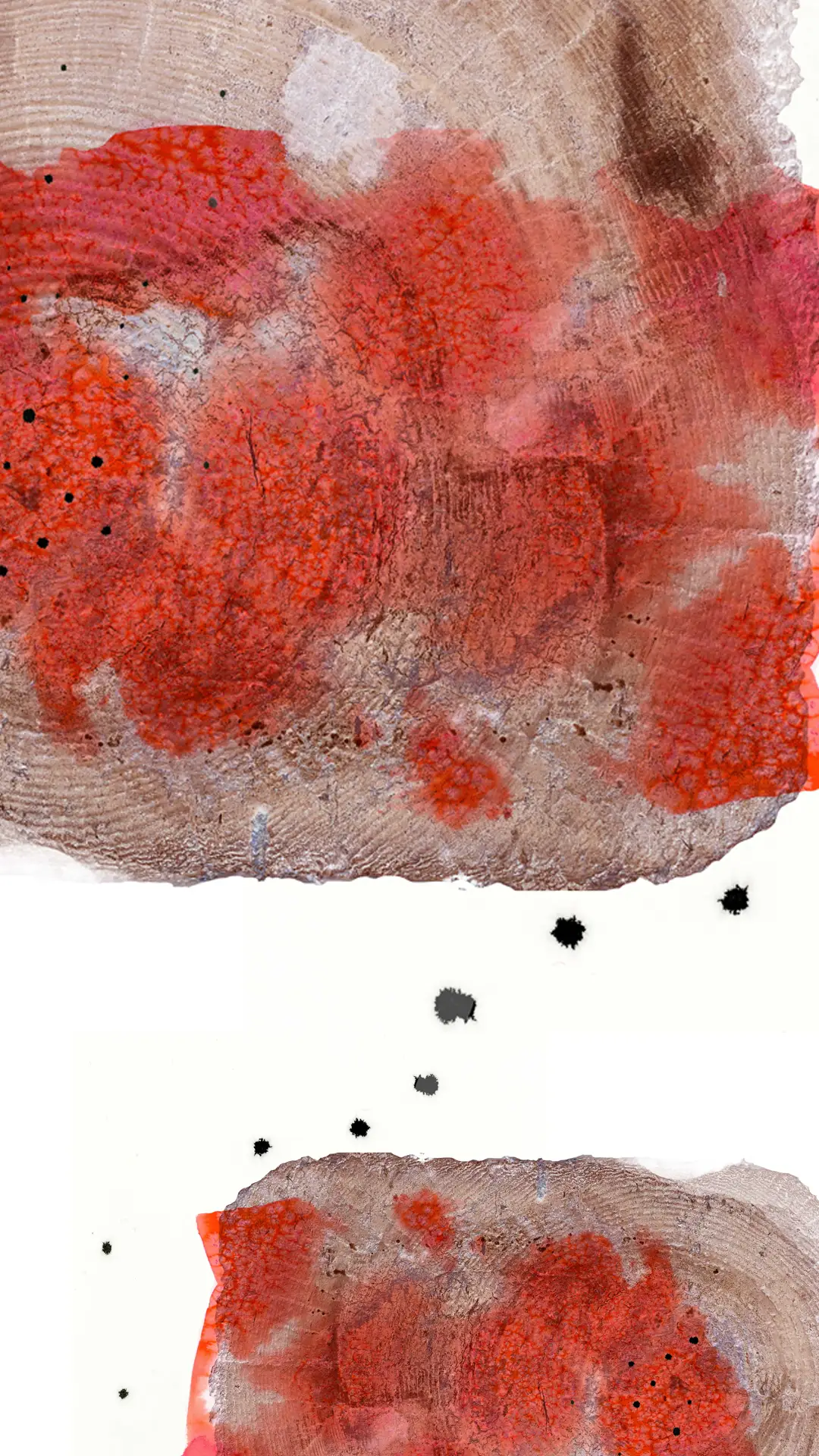
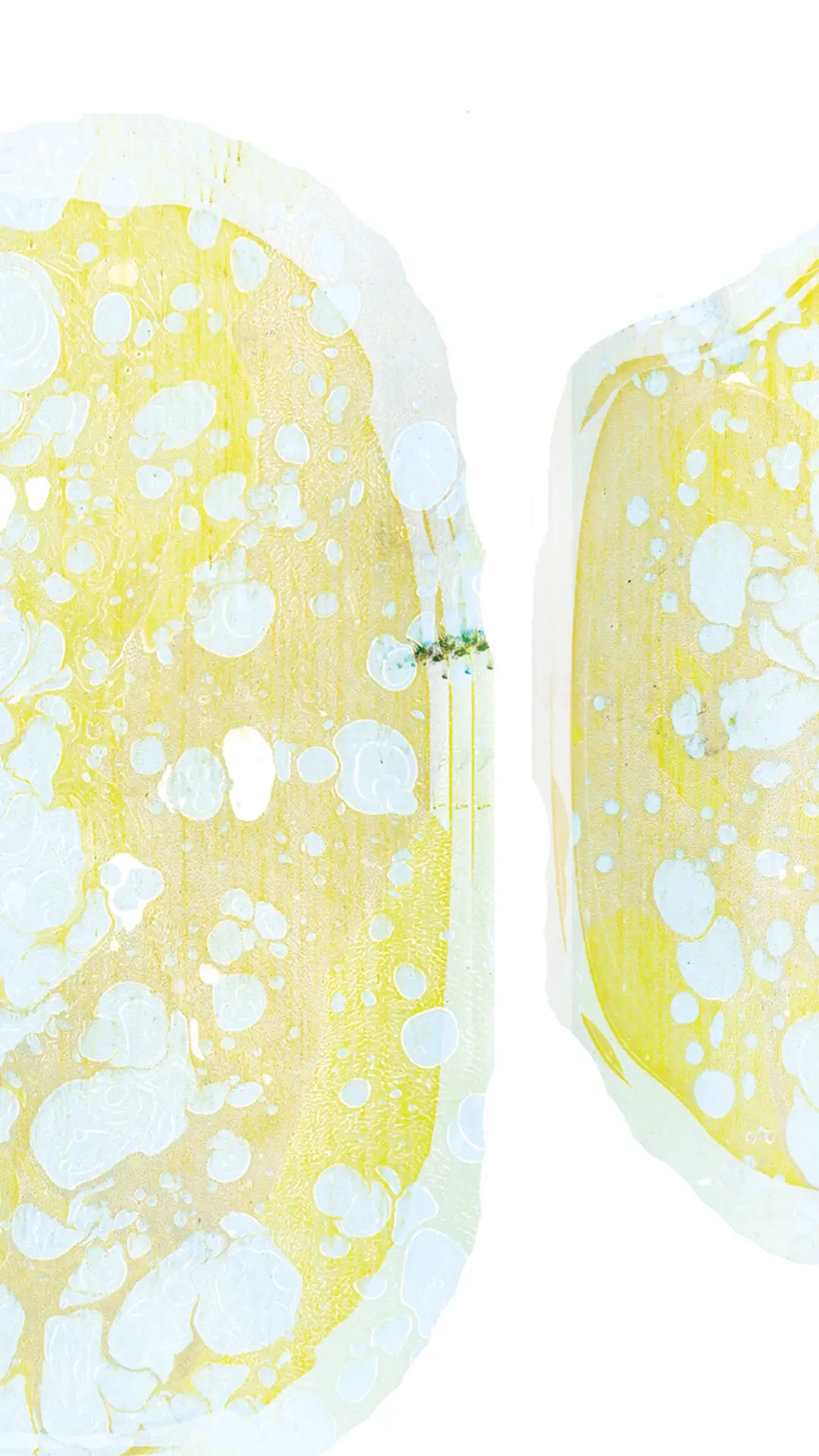
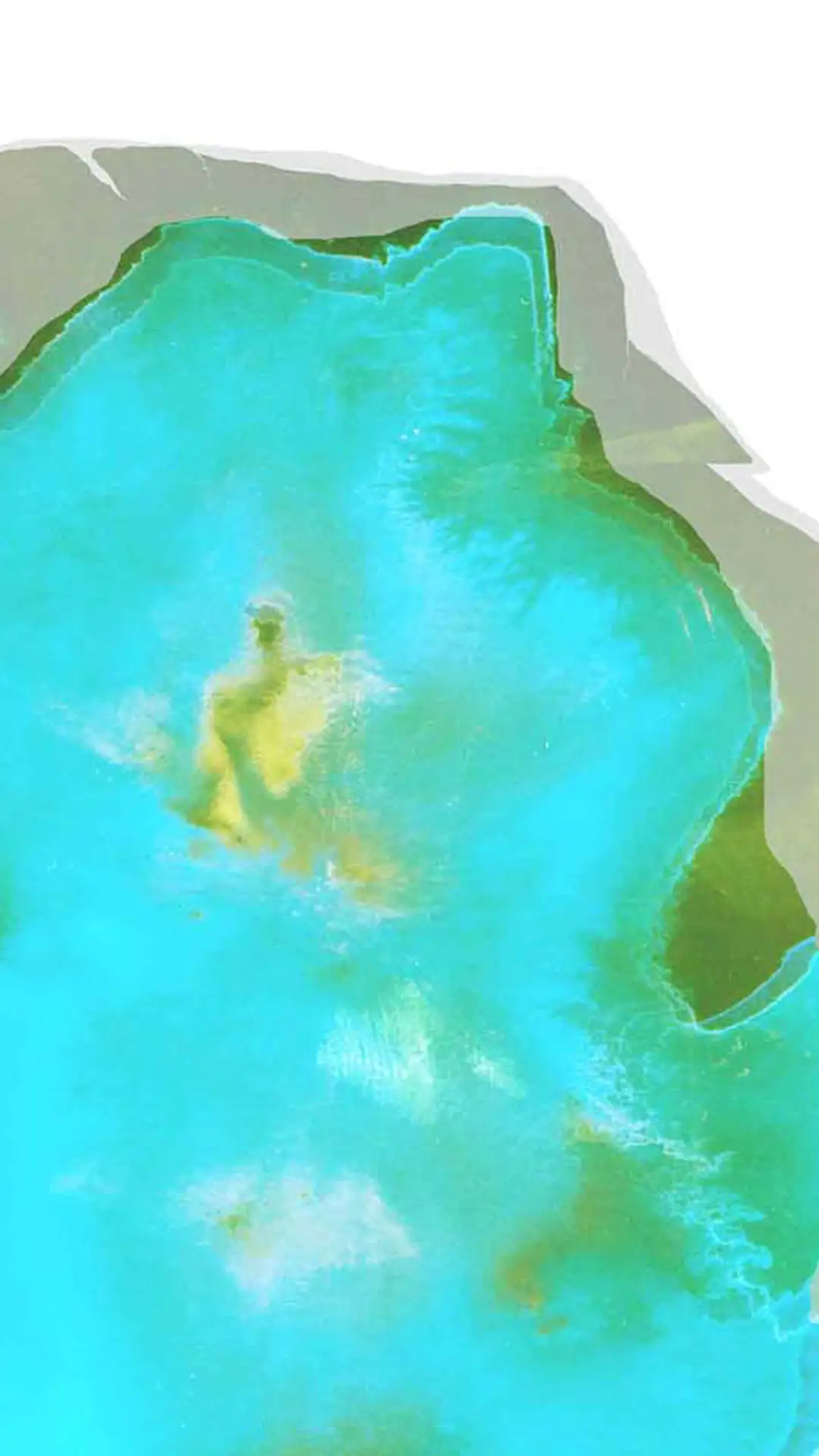
Kant. About Time is a multimedia presentation hosted at the Castle in Golub-Dobrzyń. Visitors can experience the exhibition as a slideshow of vertical images displayed on-site—an animated, sequential narrative rather than a traditional wall-hung show.

Alongside the digital presentation, there will be printed materials available at the venue, including a QR code leading to the dedicated exhibition webpage. Online, viewers can access the full animation (a separate, complete version beyond the on-site slideshow) and explore the list of artworks included in this edition of the exhibition.

In this sense, the project functions as a hybrid format: a physical encounter with a digital installation, extended into a virtual, online exhibition space.

This is the first iteration of an evolving exhibition. Future presentations in other locations will expand the format—potentially including additional works and, where possible, selected artworks exhibited as physical pieces.

O Wystawie

Kant. O czasie to prezentacja multimedialna realizowana na Zamku w Golubiu-Dobrzyniu. Zwiedzający mogą doświadczyć wystawy w formie pokazu slajdów pionowych obrazów prezentowanych na miejscu — jako sekwencyjnej, animowanej narracji, a nie klasycznej ekspozycji na ścianach.

Równolegle z prezentacją cyfrową dostępne będą materiały drukowane, w tym kod QR prowadzący do dedykowanej strony wystawy. Online można obejrzeć pełną animację (oddzielną, kompletną wersję niezależną od pokazu na miejscu) oraz zapoznać się z listą prac wchodzących w skład tej edycji wystawy.

W tym sensie projekt działa w formule hybrydowej: jest fizycznym doświadczeniem instalacji cyfrowej, rozszerzonym o wirtualną, internetową przestrzeń wystawienniczą.

To pierwsza odsłona wystawy, która będzie rozwijana w kolejnych lokalizacjach. Następne prezentacje mogą poszerzać formułę — potencjalnie o dodatkowe prace oraz, tam gdzie będzie to możliwe, wybrane dzieła prezentowane jako obiekty fizyczne.

Artist's Vision​

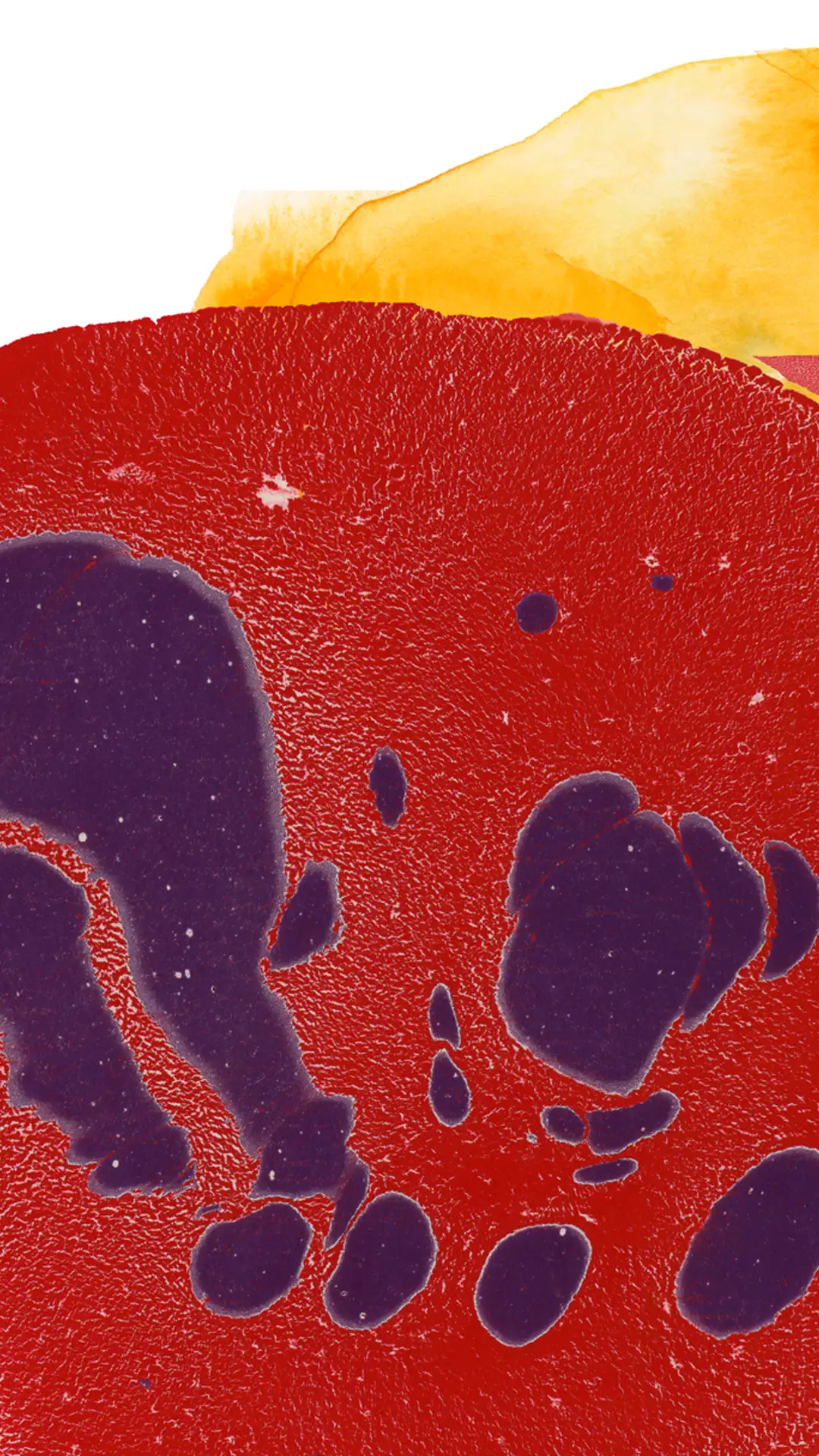
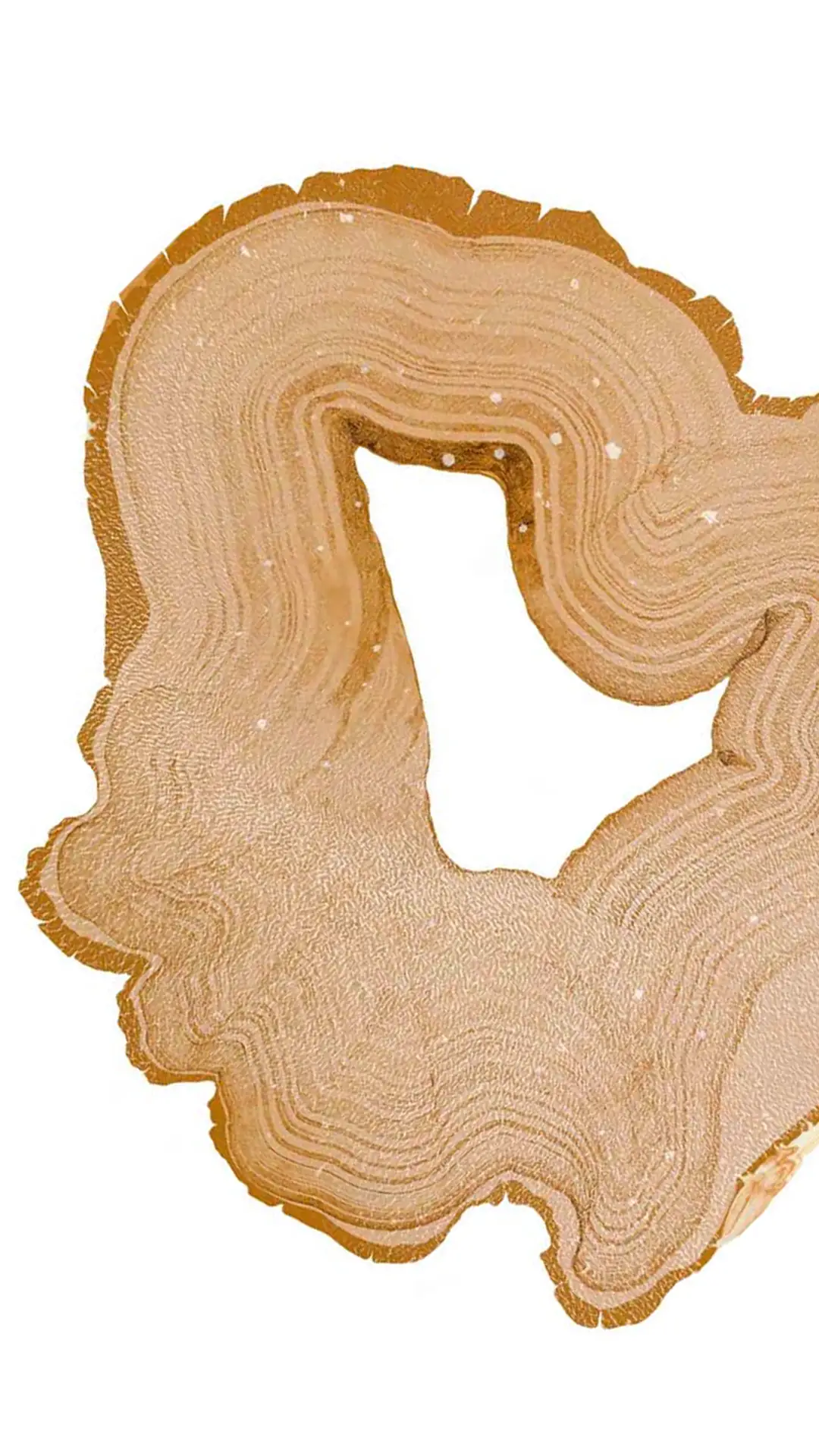
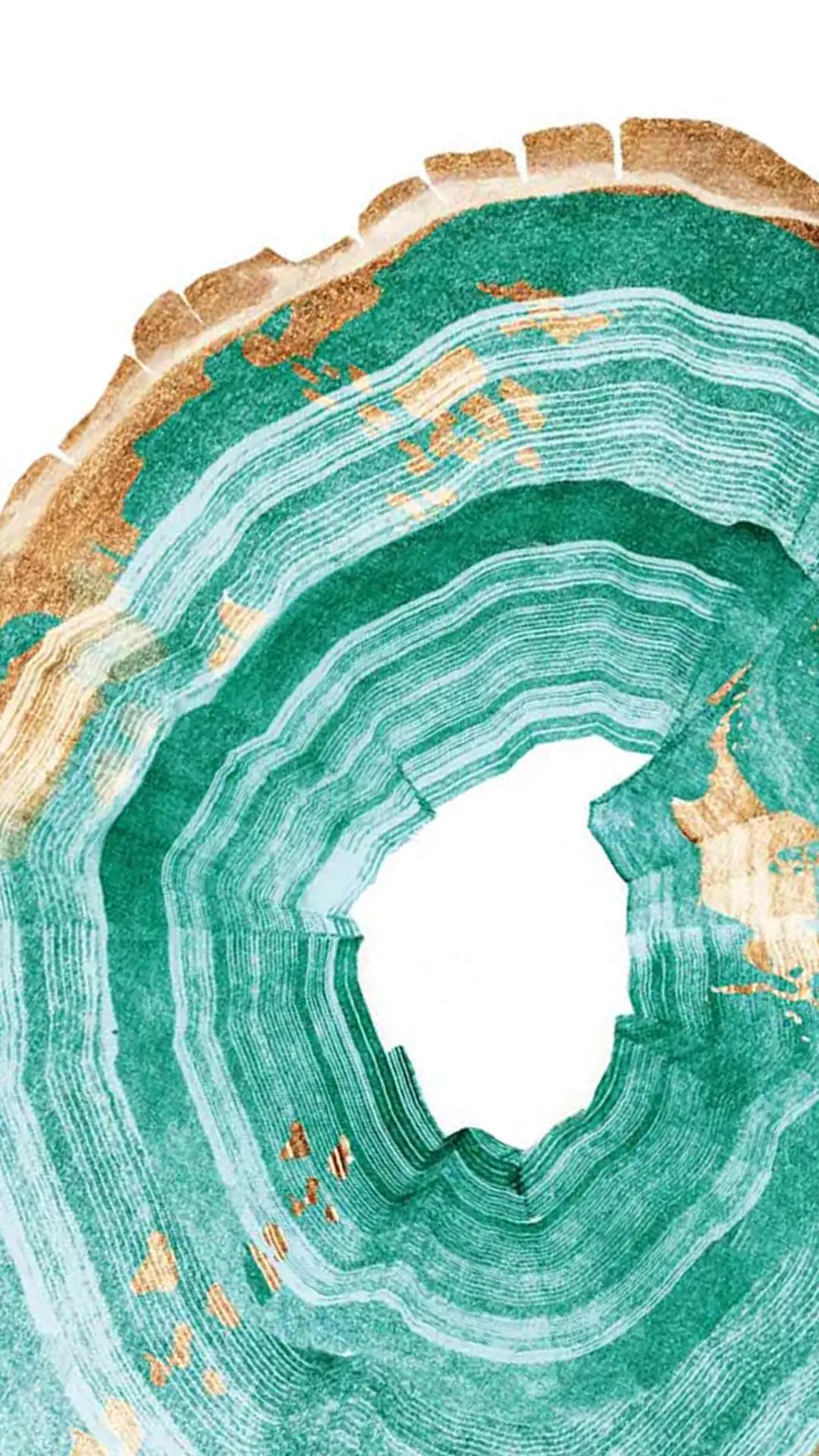
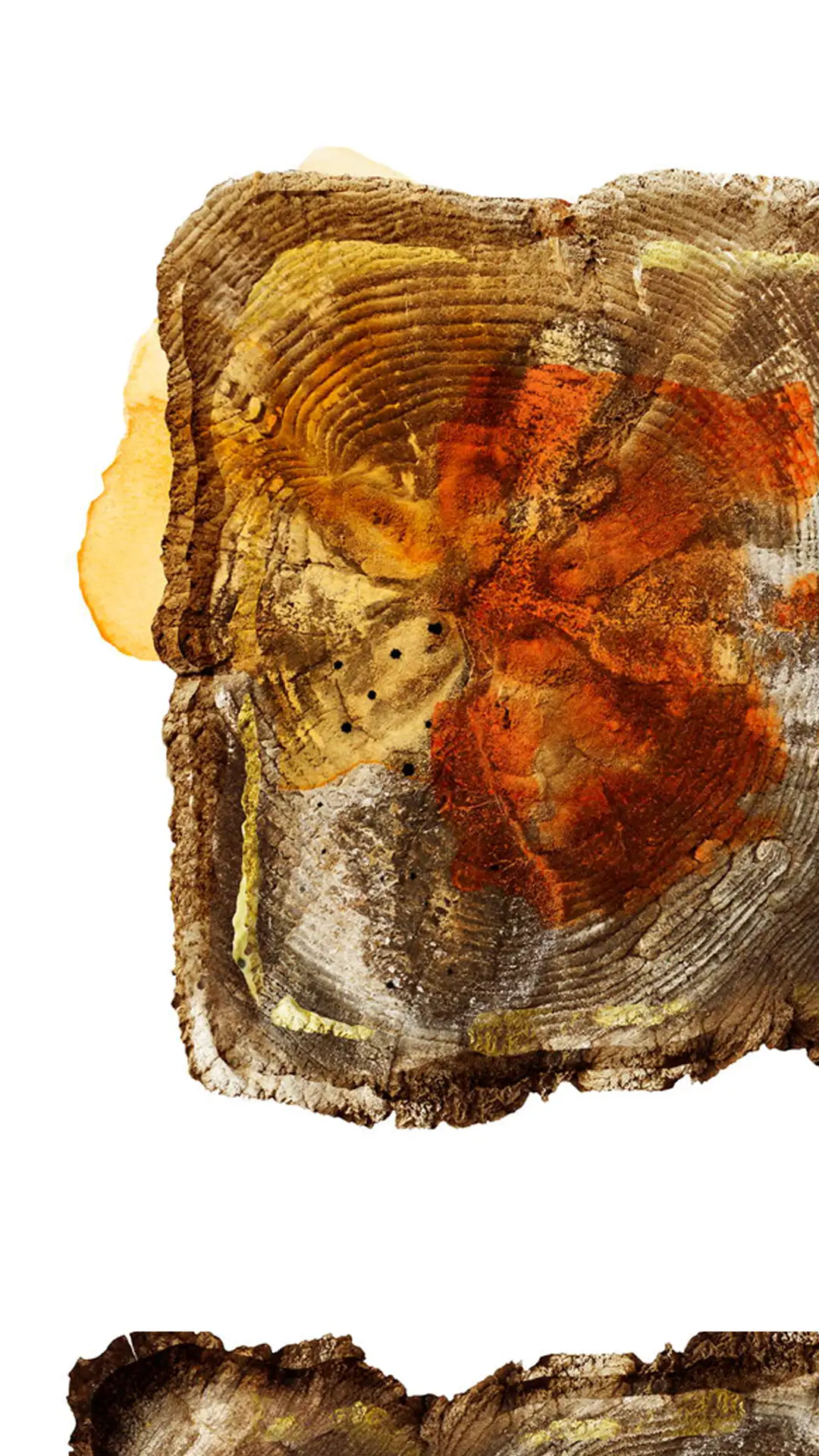
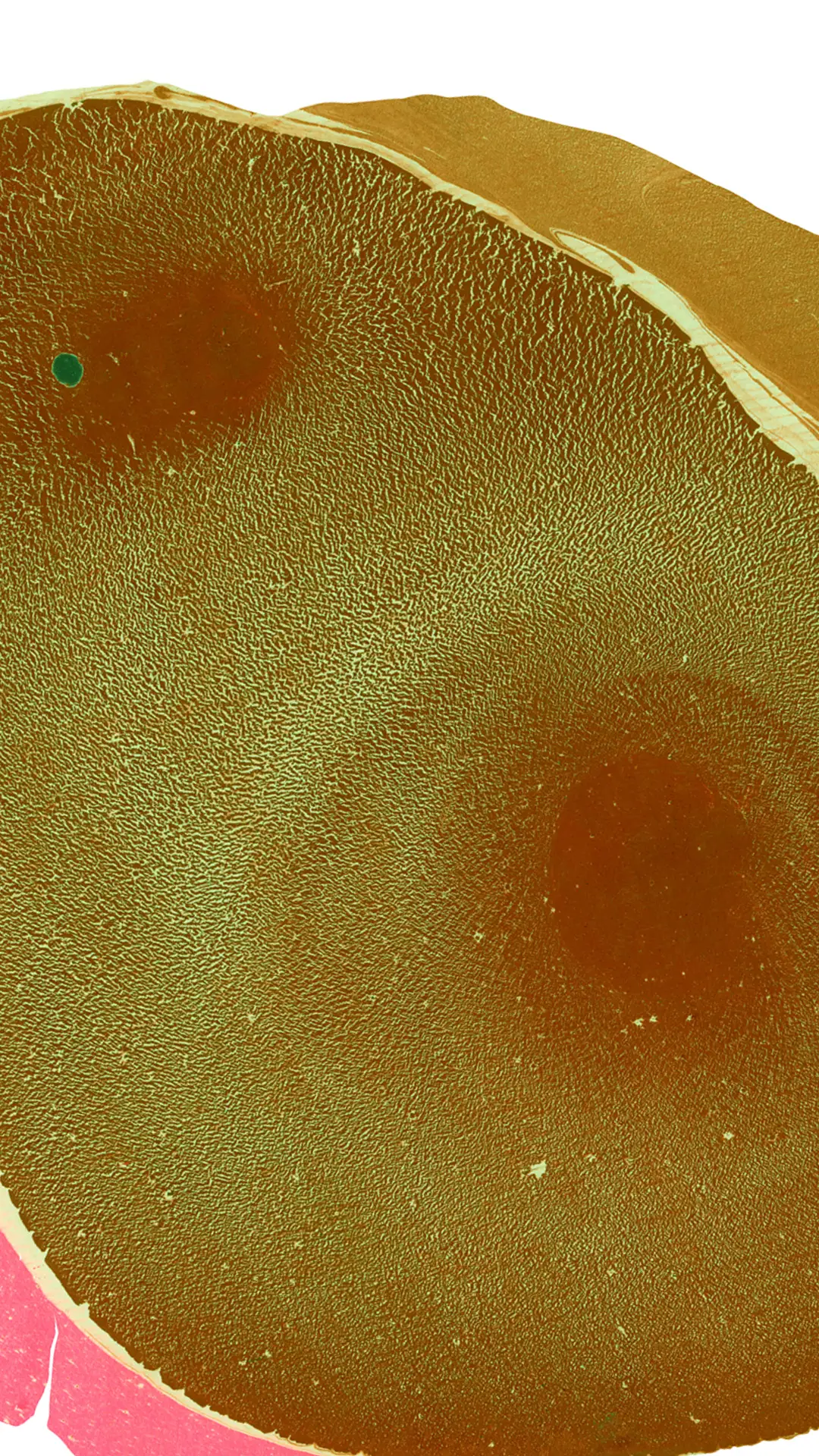
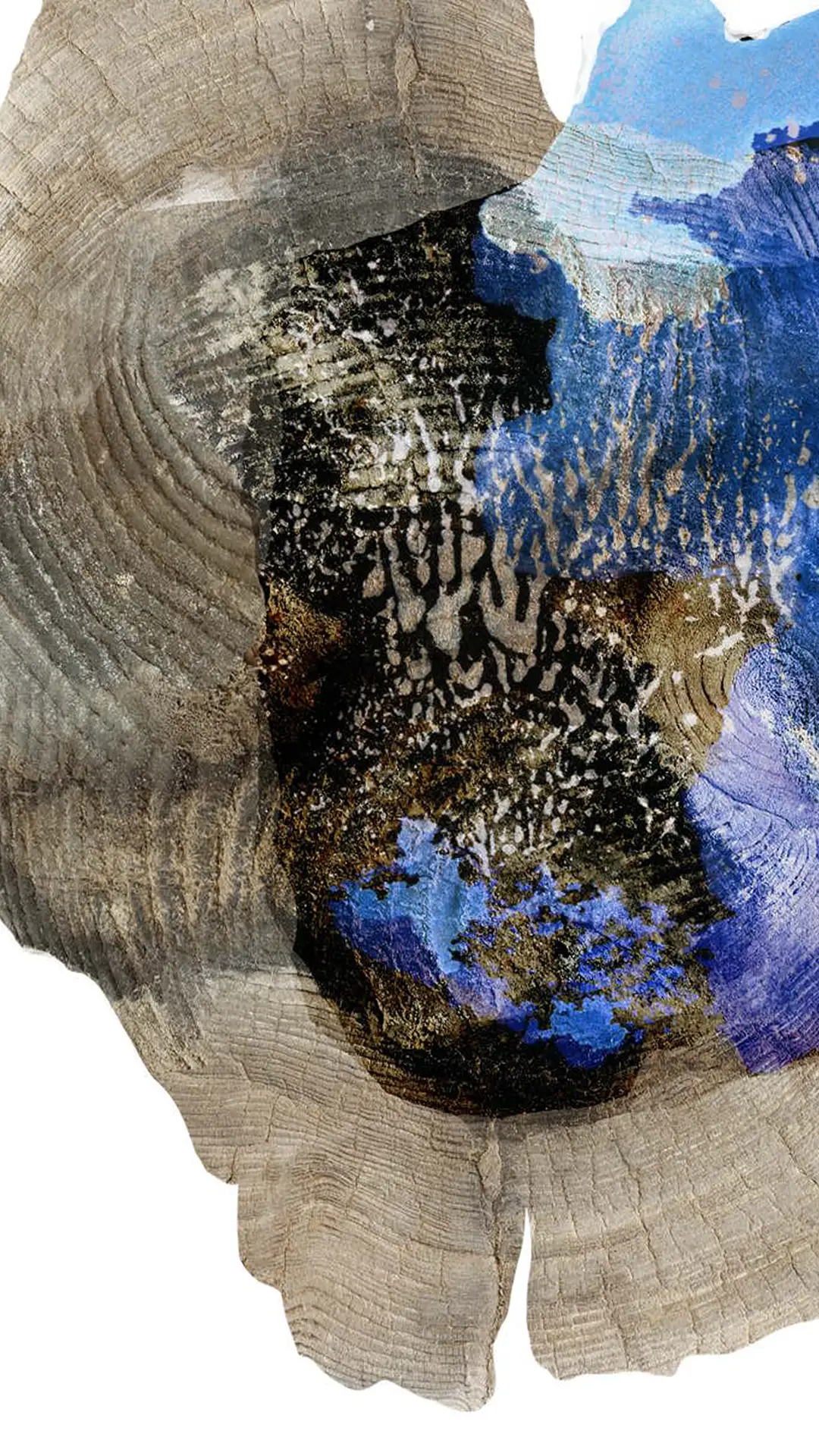
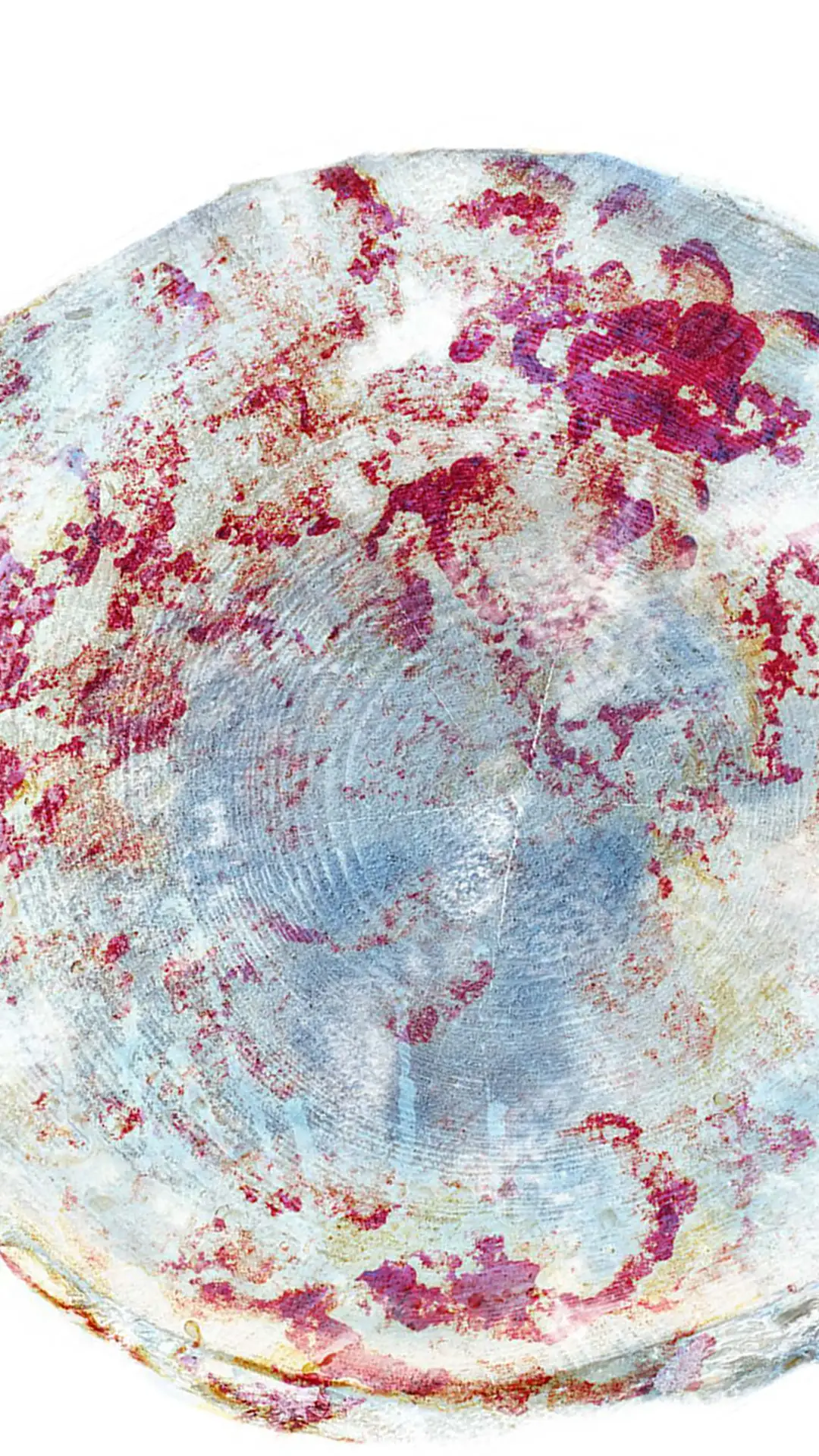
Tree rings are among the oldest and quietest records of time. Layer by layer they form continuously, without an observer—yet with extraordinary precision they archive duration. Each ring is a trace of the past, a record of survival, and at the same time an announcement of what is to come.

Immanuel Kant wrote that “time is not something that exists in itself, but a form of our inner intuition.” From this perspective, time does not flow beside us—it happens within us. Like the rings of a tree, human existence continually overlays experience, memory, and anticipation.

Nature—unlike the human—knows no haste. A tree grows in accordance with time’s rhythm, embodying patience, perseverance, and an ability to adapt. Kant observed that “the beauty of nature is an expression of purposiveness without purpose”—an existence that need not prove anything, and yet endures and unfolds in harmony.

For Kaja Kant, trees become a model of an existential stance. She suggests that we should draw from nature its patience, generosity, and endurance on the way toward a goal—both in life itself and in its deeper being. A tree does not resist change: it bends, adjusts, regenerates. In this way, survival becomes an elastic process rather than a struggle.

Kant also wrote that “nature speaks to us in the language of forms.” Tree rings are such a language—a visual record of past, present, and future, held simultaneously within a single structure. And although, as the philosopher noted, “different times do not exist at once but follow one another,” in nature—and in human memory—they intertwine into a single experience.

“Kant. About Time” is a reflection on time as a record of existence: on endurance inscribed in the material of the world, and on the human need to find meaning in transience. It is a story of nature’s patience, perseverance, and wisdom—and of the necessity of learning from it in the face of changes that never cease to arrive.

Wizja Artystyczna

Kręgi drzew są jednym z najstarszych i najcichszych zapisów czasu. Powstają warstwa po warstwie, nieprzerwanie, bez świadectwa widza, a jednak z niezwykłą precyzją archiwizują trwanie. Każdy z nich jest śladem przeszłości, zapisem przetrwania i jednocześnie zapowiedzią przyszłości.

Immanuel Kant pisał, że „czas nie jest czymś istniejącym samym w sobie, lecz formą naszego wewnętrznego oglądu”. W tej perspektywie czas nie płynie obok nas — on wydarza się w nas. Podobnie jak kręgi drzewa, ludzka egzystencja nieustannie nakłada na siebie doświadczenia, pamięć i oczekiwanie.

Natura — w przeciwieństwie do człowieka — nie zna pośpiechu. Drzewo rośnie zgodnie z rytmem czasu, wykazując cierpliwość, wytrwałość i zdolność adaptacji. Kant zauważał, że „piękno przyrody jest wyrazem jej celowości bez celu” — istnienia, które nie musi niczego udowadniać, a jednak trwa i rozwija się w harmonii.

Dla Kaji Kant drzewa stają się wzorem postawy egzystencjalnej. Autorka wskazuje, że człowiek powinien czerpać z przyrody jej cierpliwość, hojność i wytrwałość w drodze do celu — zarówno w samym istnieniu, jak i w jego głębokim jestestwie. Drzewo nie opiera się zmianie: ugina się, dostosowuje, regeneruje. W ten sposób przetrwanie staje się procesem elastycznym, a nie walką.

Kant pisał również, że „natura mówi do nas językiem form”. Kręgi drzew są takim językiem — wizualnym zapisem czasu minionego, teraźniejszego i przyszłego, obecnych jednocześnie w jednej strukturze. Choć, jak zauważa filozof, „różne czasy nie istnieją jednocześnie, lecz następują po sobie”, w naturze — i w ludzkiej pamięci — splatają się w jedno doświadczenie.

“Kant. O Czasie.” jest refleksją nad czasem jako zapisem istnienia: nad trwaniem wpisanym w materię świata i nad ludzką potrzebą odnalezienia sensu w przemijaniu. To opowieść o cierpliwości, wytrwałości i mądrości natury — oraz o konieczności uczenia się od niej w obliczu nieustannie nadchodzących zmian.

Featured Artworks

Behind the Scenes: Journey of the Exhibition

First Impressions: The Opening Night

Exploring the Exhibition

...

Gratitude to the Gallery